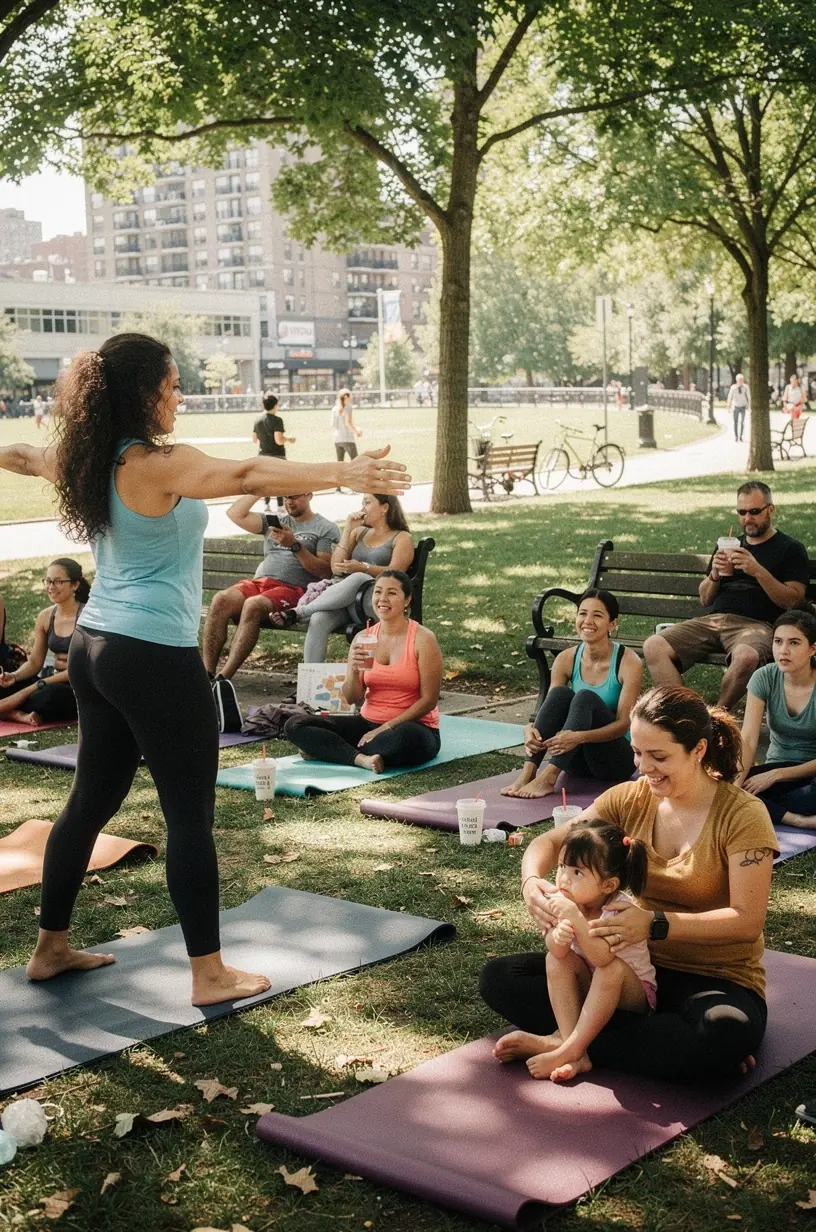
Navigating Social Engagement Through Arts Programs
As communities seek to foster connections, arts programs have emerged as vital tools for social engagement. This article explores how these initiatives can enhance cultural participation and create vibrant social networks.
Understanding the Basics
Arts programs play a crucial role in promoting social engagement by providing opportunities for individuals to connect through creative expression. According to research, participation in the arts can significantly improve community cohesion, with studies indicating that communities with active arts programs often report higher levels of social trust and participation.
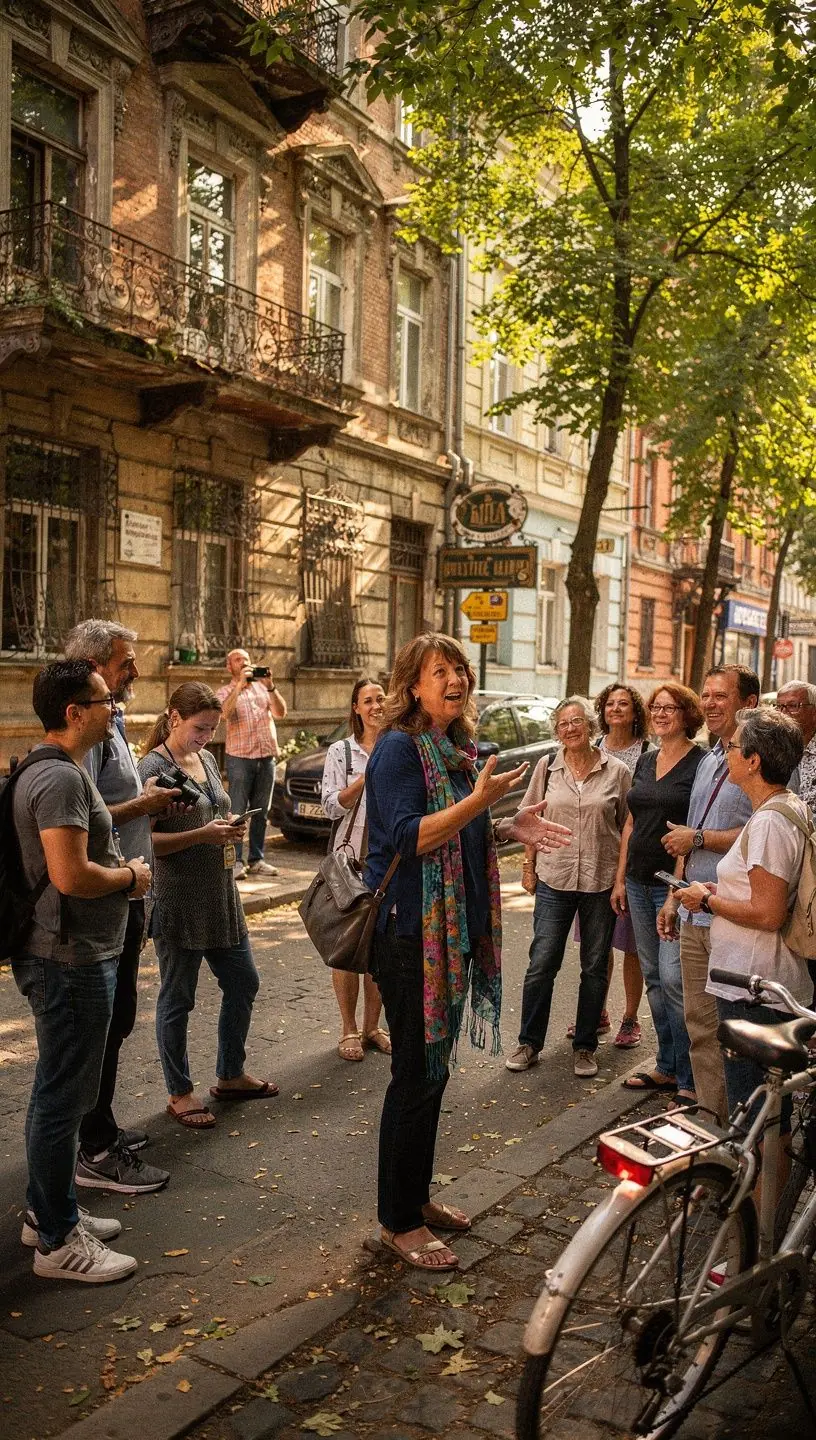
"Communities that actively engage in arts activities are more likely to experience enhanced social bonding and collective efficacy." – Arts Research Expert
Benefits of Arts Programs for Social Engagement
- Arts programs encourage collaboration, allowing individuals from diverse backgrounds to come together, share experiences, and create.
- Many participants indicate that engaging in artistic activities can lead to improved mental health, fostering a sense of belonging and purpose.
- These programs often require a commitment of time and effort, typically involving weekly sessions or workshops, which can enhance community ties over time.
How Arts Programs Facilitate Community Connections
Arts initiatives often include various activities such as workshops, exhibitions, and performances. These create a platform for interaction and dialogue among community members. The principle behind this is straightforward: when people collaborate on creative projects, they develop shared experiences, which in turn can strengthen social networks.
Experts recommend that community organizers focus on inclusivity when designing such programs. This means tailoring activities to meet the interests and abilities of all participants, thus ensuring a welcoming environment. For instance, providing materials for different skill levels allows everyone to engage, regardless of their prior experience.
Challenges and Considerations
While arts programs can be effective, they also come with challenges. For instance, these initiatives often require dedicated facilitators who understand both the artistic and social aspects involved. Additionally, securing funding can be a significant hurdle, as many programs rely on grants and donations to operate sustainably.
Moreover, participants should be aware that while social engagement through arts can yield positive outcomes, the results may take time to manifest. Studies show that the benefits of these programs often appear gradually, typically within a few months of consistent participation.
Conclusion
In summary, navigating social engagement through arts programs offers a pathway to deeper community connections and cultural participation. By fostering an inclusive environment and encouraging collaborative creativity, these initiatives can help bridge gaps between individuals, enriching both personal and community experiences. As communities across the U.S. continue to embrace the arts, the potential for social impact remains significant, making such programs an essential investment in the fabric of our society.
Learn More