Understanding the Impact of Community Events
Community events play a vital role in fostering social connections and enhancing cultural participation. Research indicates that these gatherings can significantly boost community cohesion, encourage civic engagement, and improve overall well-being.
The Role of Community Events
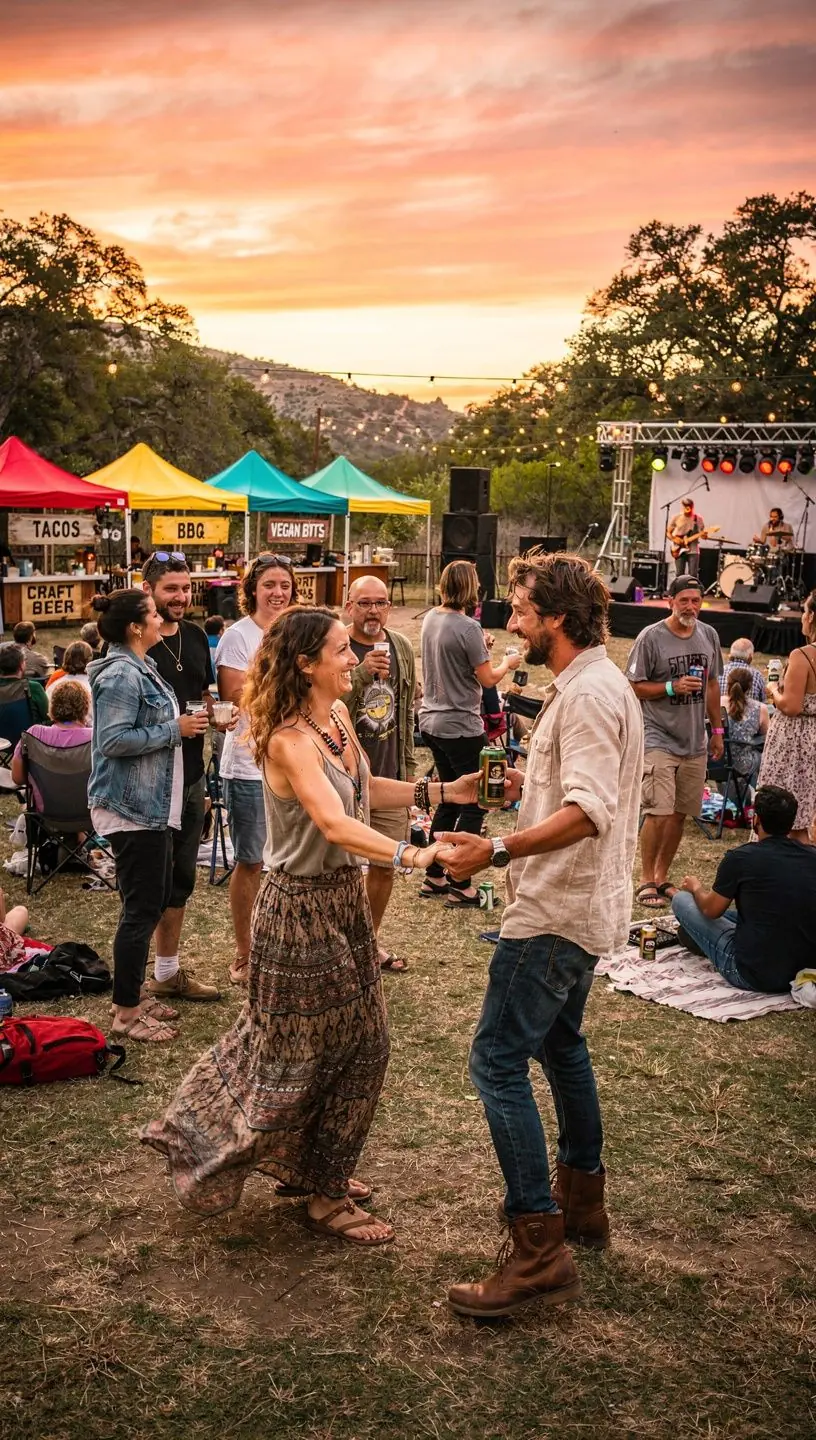
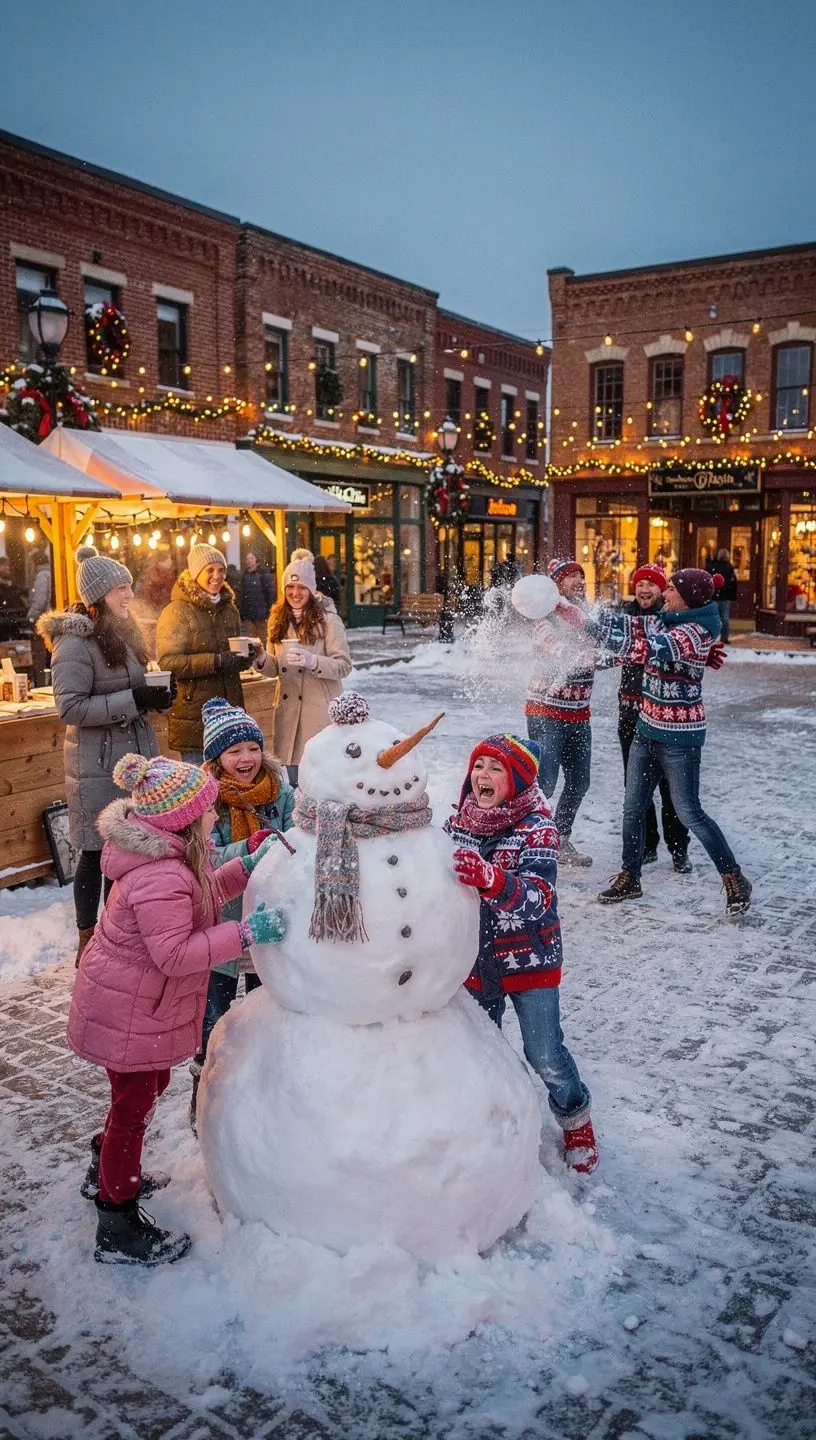
Community events, ranging from local festivals to volunteer initiatives, serve multiple purposes. They often create a platform for individuals to come together, share experiences, and build relationships. According to studies, events that encourage public participation can lead to increased social networks and a stronger sense of belonging among attendees.
Benefits of Participating in Community Events
Engaging in community events can yield various benefits, including:
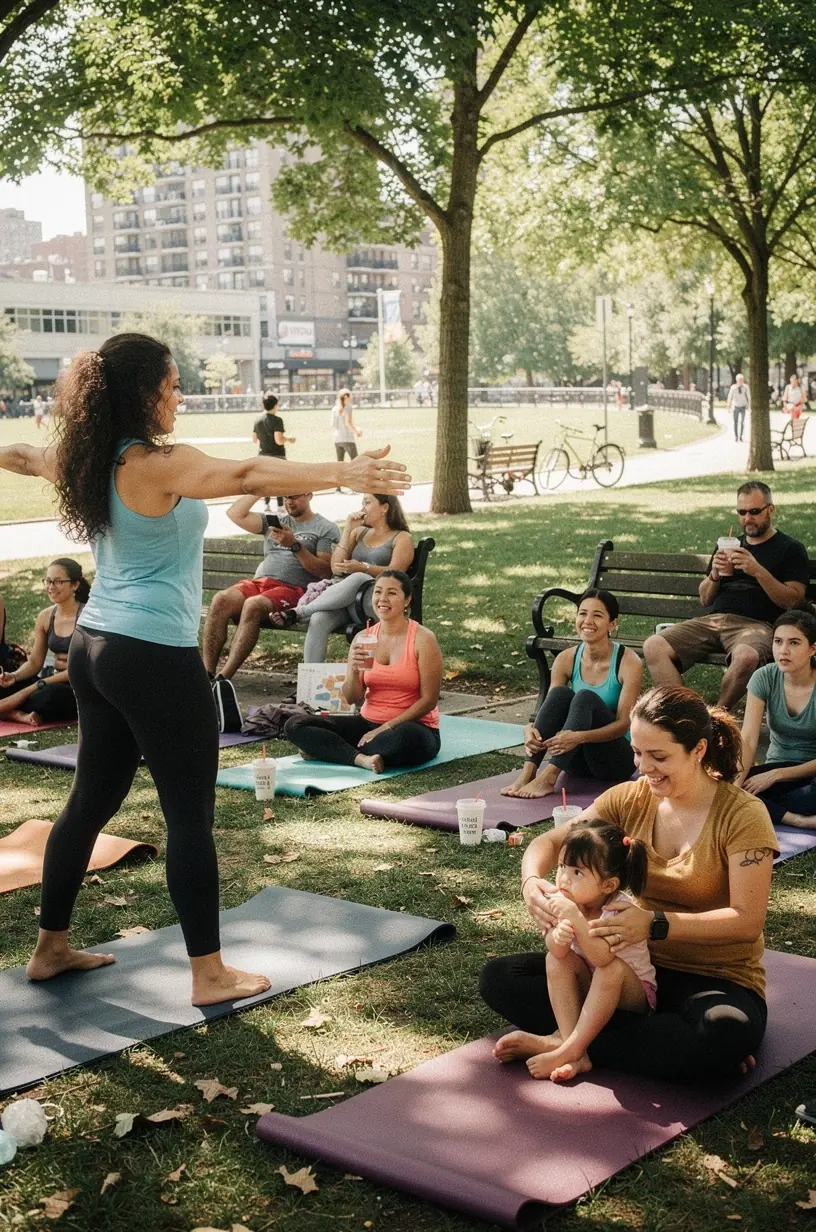
- Enhanced Social Connections: Participating in shared activities allows individuals to meet new people and form friendships, which is crucial for mental health and general happiness.
- Cultural Exchange: Events that celebrate diverse cultures provide an opportunity for attendees to learn about and appreciate different traditions, fostering inclusivity.
- Increased Civic Engagement: Many community events encourage volunteerism, helping individuals to contribute to local causes and strengthen their communities.
"Community events create a unique environment for social interaction and cultural exchange, which can significantly improve community well-being." - Community Engagement Expert
Understanding the Impact on Well-Being
Research shows that participation in community events can lead to improved mental health outcomes. A study published in the American Journal of Community Psychology revealed that individuals who regularly engage in community activities report higher levels of life satisfaction and lower levels of stress. This positive impact is often attributed to the social support and sense of belonging that these events foster.
Challenges and Limitations
While community events can be highly beneficial, it is essential to recognize some common challenges:
- Time Commitment: Organizing a successful event typically requires significant planning and commitment from community members.
- Resource Availability: Not all communities have access to the necessary resources or funding to host large-scale events.
- Participation Barriers: Potential attendees may face obstacles such as transportation issues or lack of awareness about the events.
How to Get Involved
If you're interested in participating in community events, consider the following steps:
- Research local events and find ones that align with your interests.
- Join community groups or social media pages to stay updated on upcoming activities.
- Volunteer your time or skills to support event organization.
Conclusion
Community events are a valuable aspect of social engagement that can enhance individual well-being and foster a sense of belonging. While there may be challenges to participation, the potential benefits often outweigh the obstacles. By actively engaging in local events, individuals can contribute to stronger, more connected communities.