Exploring the History of Neighborhood Gatherings
Neighborhood gatherings have been a cornerstone of community life in the United States for centuries. These events not only foster social connections but also enhance cultural participation and promote active leisure. In this article, we delve into the evolution of these gatherings, their significance, and how they can be revitalized in today's society.
The Roots of Neighborhood Gatherings
Historically, neighborhood gatherings serve as platforms for social interaction, cultural exchange, and community building. According to research conducted by the National Endowment for the Arts, community events can strengthen social ties and enhance civic engagement. These gatherings, which often include block parties, potlucks, and festivals, reflect the unique cultural fabric of American neighborhoods.
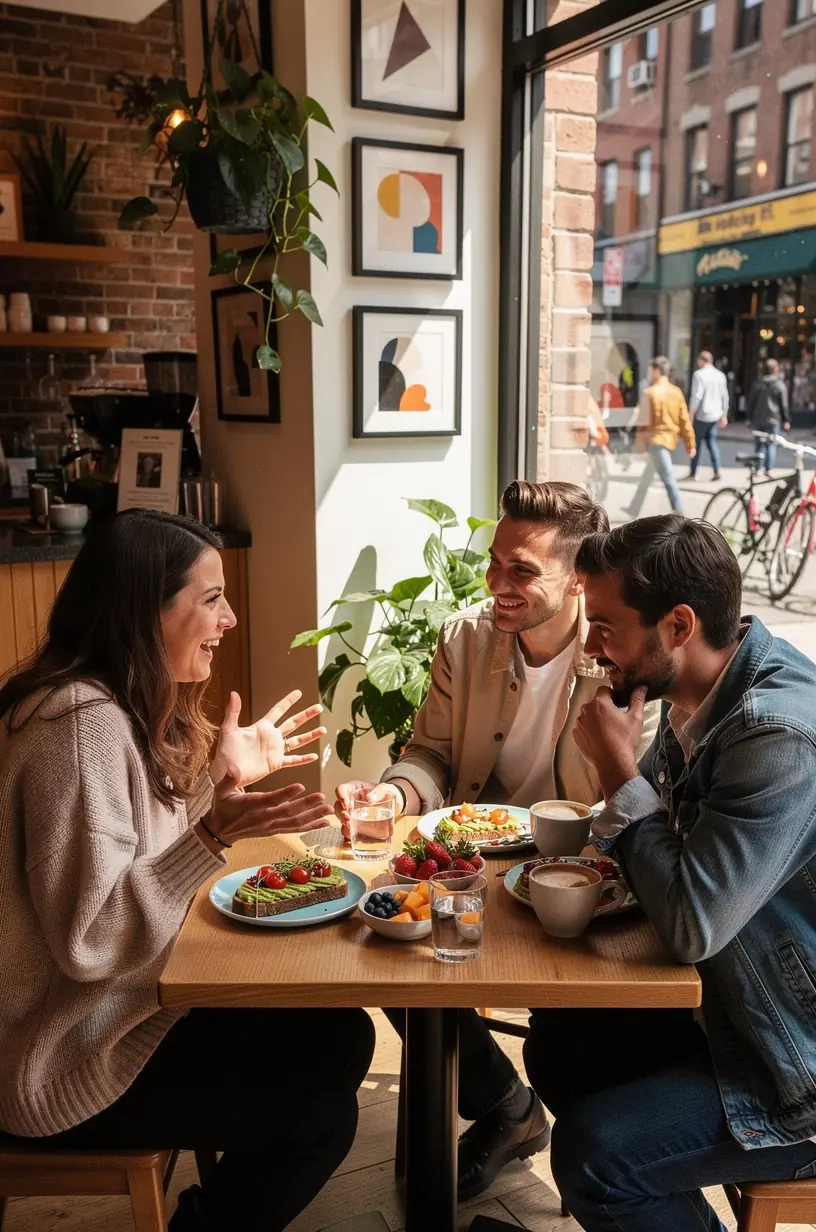
"Community gatherings create an environment where individuals can connect, learn from each other, and foster a sense of belonging." - National Endowment for the Arts
The Importance of Cultural Participation
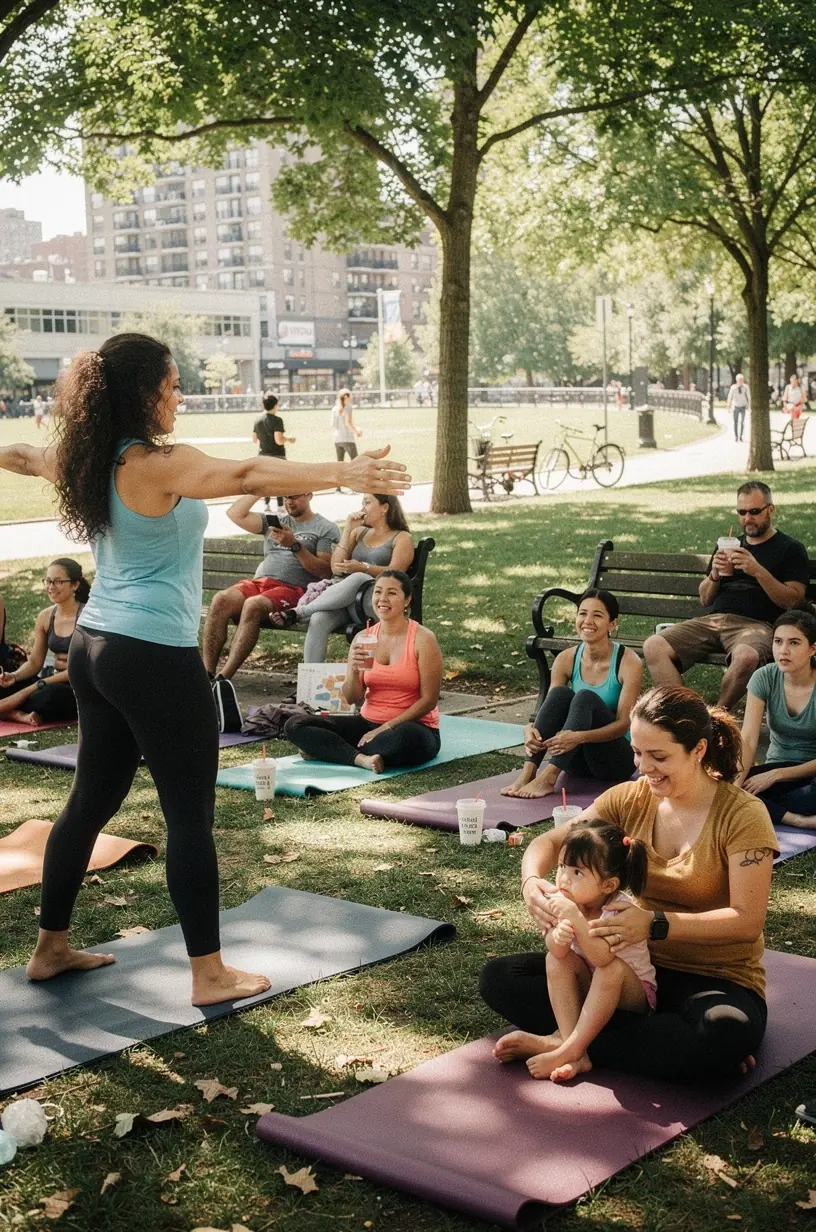
Studies show that cultural participation, including attending neighborhood gatherings, can have significant mental health benefits. Engaging in social events can reduce feelings of loneliness and enhance overall well-being. Experts recommend that communities actively promote these gatherings, as they can be vital in bridging gaps among diverse populations.
Examples of Neighborhood Gatherings
- Block Parties: Often organized by residents, these events typically involve food, games, and activities for families and neighbors.
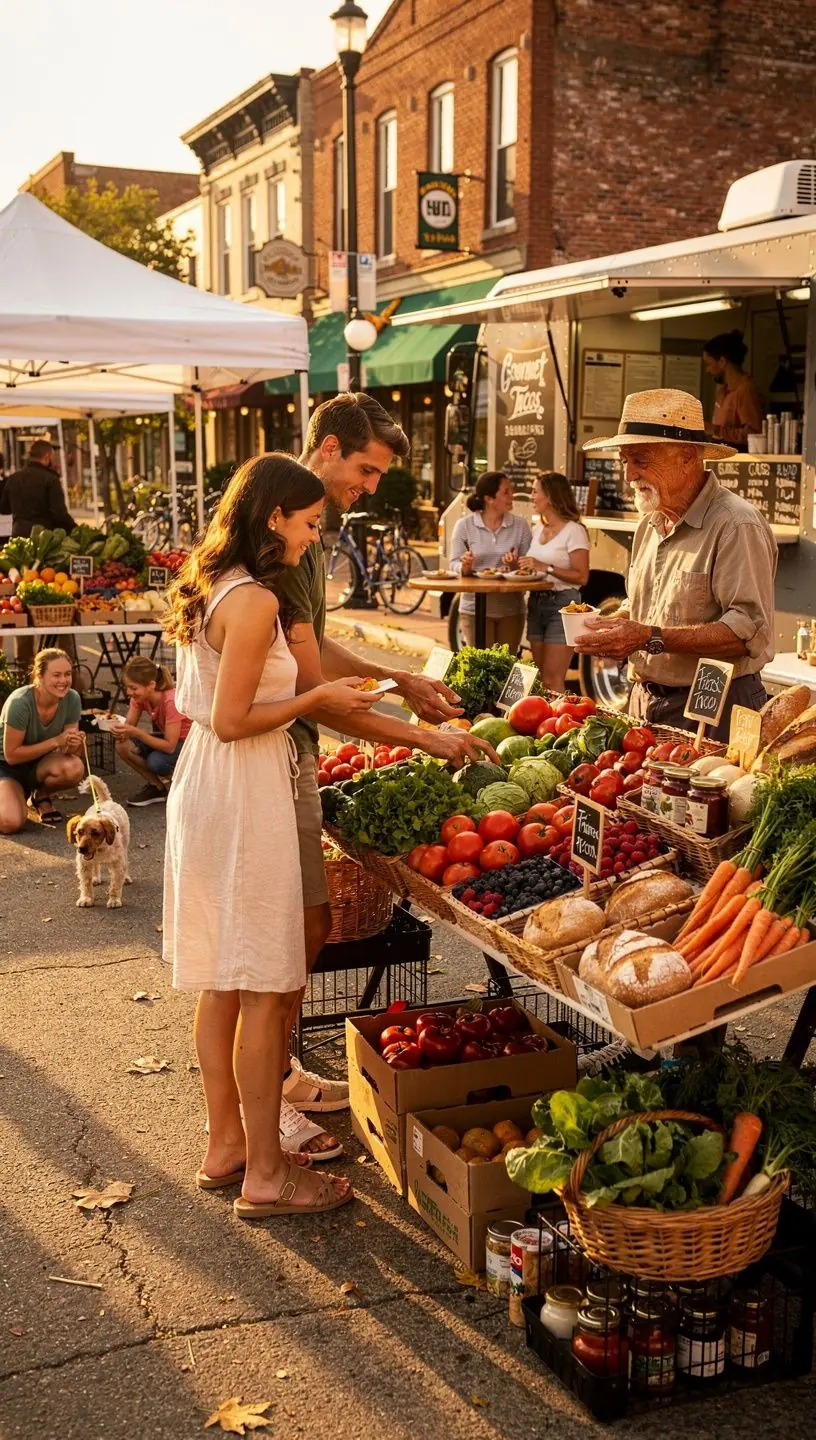
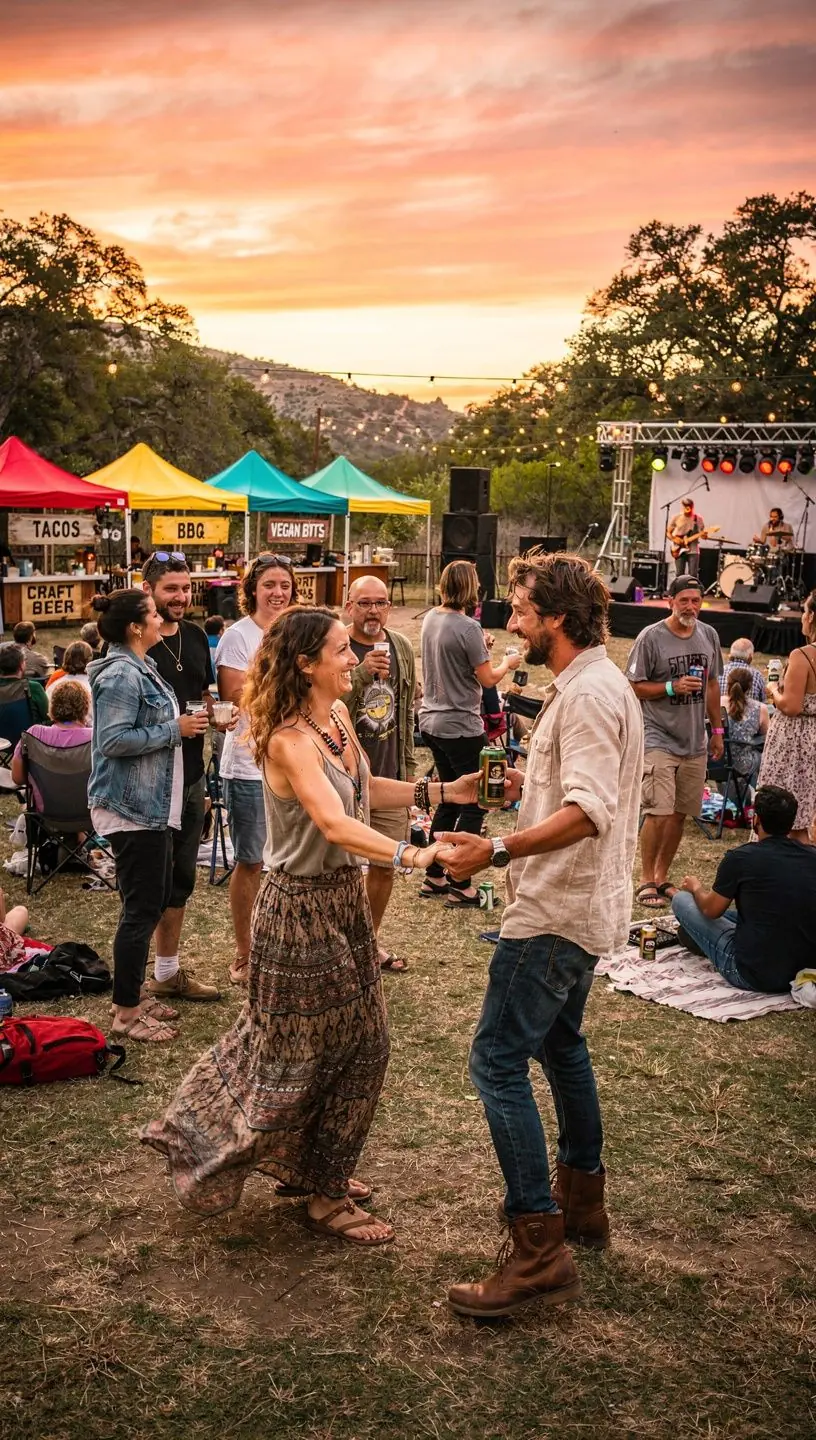
- Community Festivals: These larger events may feature local artists, musicians, and food vendors, fostering a vibrant cultural atmosphere.
- Potlucks: A simple yet effective way for neighbors to share culinary traditions and stories, building connections through shared meals.
Revitalizing Neighborhood Gatherings Today
In today's fast-paced society, revitalizing neighborhood gatherings requires thoughtful planning and community engagement. Here are some practical steps:
- Assess Community Interests: Conduct surveys or hold meetings to understand what types of gatherings residents would enjoy.
- Collaborate with Local Organizations: Partnering with local businesses or cultural institutions can enhance the gathering experience and provide additional resources.
- Use Digital Tools: Promoting events through social media or community apps can help reach a broader audience and engage younger residents.
Challenges and Considerations
While neighborhood gatherings offer numerous benefits, there are challenges to consider. Organizing these events typically requires time and effort from volunteers. Additionally, community members may have varying levels of interest or availability. Experts suggest that successful gatherings often arise from consistent planning and community involvement.
Conclusion
Neighborhood gatherings play a crucial role in enhancing community life in the United States. They provide opportunities for social engagement, cultural exchange, and active leisure, which are essential for fostering strong, vibrant communities. While revitalizing these gatherings may require dedication and effort, the rewards—strengthened relationships and enriched community life—are well worth it. As research highlights, participating in cultural events can significantly improve mental well-being, making it imperative for communities to embrace these traditions.
Learn More